Landing in India for the first time is an exhilarating awakening of the senses. From the fragrant swirl of cardamom and roasting cumin in centuries-old bazaars to the ethereal morning mist rising off the Yamuna River beside the Taj Mahal, India is not merely a destination—it is a transformative cultural experience.
Yet, for many international visitors, planning a journey across a subcontinent of 1.4 billion people can feel overwhelming. Navigating intercity trains, choosing reputable local guides, coordinating private transit, and balancing ambitious sightseeing with comfortable pacing requires thoughtful curation.
A dedicated Prime India Tour bridges this gap, transforming what could be a stressful logistical marathon into a seamless, deeply enriching private journey. Whether your dream is standing before the ivory domes of the Taj Mahal at dawn, walking the ramparts of hilltop Rajput forts, or drifting through the tranquil palm-fringed backwaters of Kerala, this complete guide provides the practical blueprints, insider tips, and cultural context you need for an unforgettable adventure.
Why Choose a Private Guided Journey Across India?
India’s sheer geographic scale and dizzying diversity mean that two journeys along the same route can feel completely different. While backpacking or public transit appeals to budget nomads, travellers seeking safety, comfort, and nuanced cultural understanding overwhelmingly opt for private, chauffeured itineraries.
| Travel Factor | Independent Public Travel | Private Chauffeured Tour |
|---|---|---|
| Ground Transit | Crowded bus terminals, complex train booking quotas, constant taxi negotiations | Dedicated private air-conditioned vehicle, vetted professional chauffeur, door-to-door luggage handling |
| Sightseeing Pacing | Fixed public schedules, waiting in long general ticket lines | Flexible daily start times, skip-the-line assistance, spontaneous tea and photo stops |
| Historical Context | Relying on generic guidebooks or unvetted touts outside monuments | Government-licensed local heritage guides with deep architectural and storytelling knowledge |
| Safety & Comfort | High navigation stress, managing luggage in transit hubs | Secure vehicle for belongings, cold bottled water, curated hygienic dining stops |
Instead of spending hours haggling with street taxis, deciphering railway station platforms, or worrying about travel delays, a private tour allows you to focus 100% of your energy on soaking in the art, history, and hospitality of India.
The Imperial Gateway: Delhi – Where Ancient Empires Meet Modern Life

Most northern India tours begin in Delhi, a metropolis that has served as the seat of eight distinct historic empires over two millennia. For international travellers, Delhi provides the ultimate introduction to India’s fascinating dualities.
Navigating Old Delhi: The Mughal Heartland
Old Delhi (Shahjahanabad), founded by Mughal Emperor Shah Jahan in 1639, is an electrifying sensory immersion.
- The Highlights: Step inside the red sandstone courtyards of the Jama Masjid, India’s largest historic mosque, and gaze upon the imposing ramparts of the Red Fort.
- The Experience: Board a traditional bicycle rickshaw through the narrow labyrinth of Chandni Chowk and Khari Baoli (Asia’s largest wholesale spice market), where sacks of dried chilies, star anise, and saffron create an unmistakable aroma.
- Insider Tip: Visit Khari Baoli around mid-morning when trading begins. Wear comfortable closed-toe walking shoes, and keep a light cotton scarf handy to cover your mouth if the airborne spice dust makes you cough.

Exploring New Delhi: Imperial Vistas and Garden Tombs
South of Old Delhi lie the spacious, leafy boulevards designed by British architect Sir Edwin Lutyens in the 1920s, intermingled with medieval Sufi sanctuaries and UNESCO World Heritage monuments.
- Humayun’s Tomb: Built in 1570, this stunning red-and-white sandstone garden tomb served as the direct architectural predecessor and inspiration for the Taj Mahal.
- Qutub Minar: Towering at 73 metres, this twelfth-century victory minaret showcases intricate Afghan-style fluting and early Arabic calligraphic carvings.
- India Gate & Rashtrapati Bhavan: Drive past the grand ceremonial boulevard of Kartavya Path to admire the monumental sandstone arch honouring fallen soldiers and the majestic presidential palace.

For a deeper dive into timings, architecture, and visitor guidelines across the capital, explore our complete guide to famous Indian monuments before your arrival.
Mughal Romance and Grandeur: Agra and the Taj Mahal

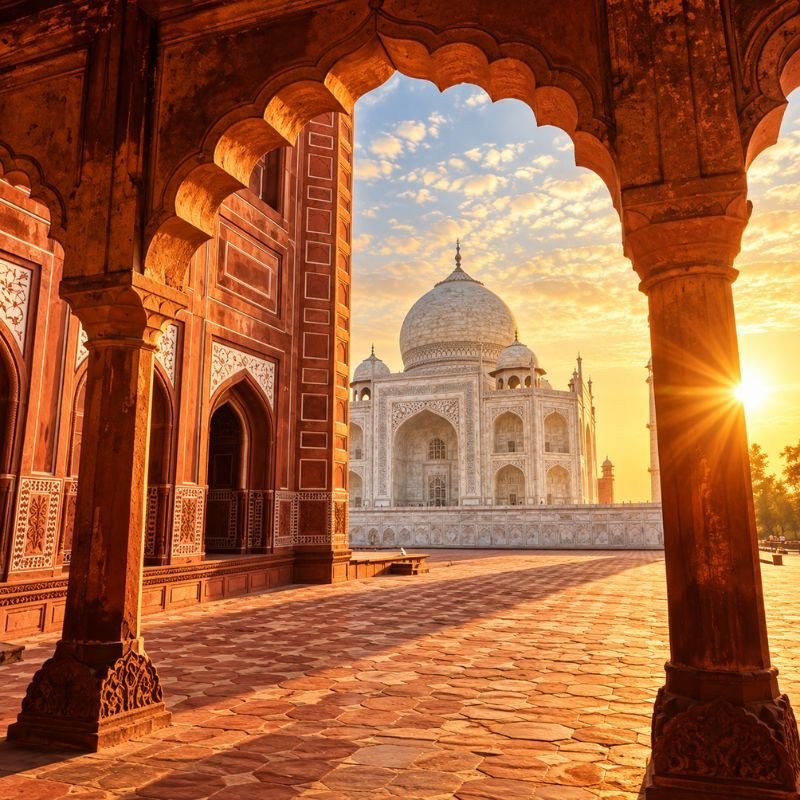
No journey to India is complete without witnessing the Taj Mahal, universally recognized as humanity’s greatest architectural homage to love. Commissioned in 1632 by Emperor Shah Jahan to enshrine his beloved consort Mumtaz Mahal, the monument required 20,000 artisans and more than two decades to complete.
How to Experience the Taj Mahal Like an Insider
- Prioritize Sunrise: Dawn is magical. As the sun peeks over the morning horizon, the translucent Makrana marble transitions from soft blush pink to warm amber and finally brilliant white. Temperatures are cool, birds skim across the reflection pools, and the serenity is unforgettable.
- Book a Qualified Local Guide: Exploring with a knowledgeable, licensed Agra monument guide brings the optical illusions, Quranic calligraphy, and poetic love stories to life, helping you navigate security checkpoints effortlessly.
- Remember the Friday Closure: The Taj Mahal is strictly closed to visitors on Fridays for local prayers. Plan your itinerary accordingly!

Agra Beyond the Mausoleum
Do not rush back to your hotel immediately after visiting the Taj Mahal. Agra was the imperial capital of the empire for generations and houses world-class sister monuments:
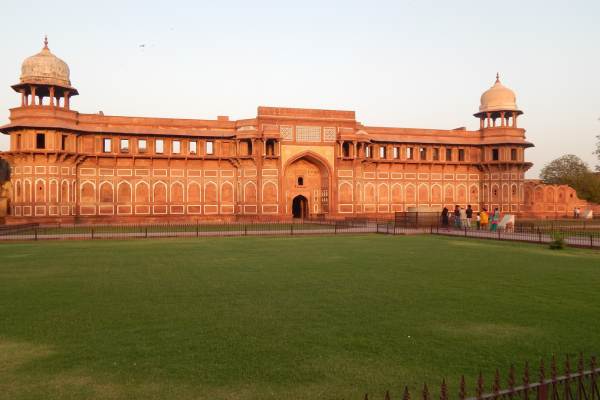
- Agra Fort: A massive UNESCO-listed red sandstone citadel. Walk through the mirrored halls of the Sheesh Mahal and visit the Musamman Burj, the marble tower where Shah Jahan spent his final years under house arrest, gazing wistfully across the Yamuna at his wife’s tomb.
- Itimad-ud-Daulah (The Baby Taj): Built by Empress Nur Jahan for her father, this delicate marble mausoleum predates the Taj Mahal and showcases the finest pietra dura gemstone inlay in northern India.
- Mehtab Bagh: A 25-acre charbagh garden situated directly across the river, offering a peaceful, unobstructed view of the Taj Mahal’s rear facade at sunset.

If you are short on time and based in Delhi, you can visit both the Taj Mahal and Agra Fort in supreme comfort via a comprehensive Taj Mahal and Agra day tour by train aboard the high-speed Gatimaan Express.
Rajput Chivalry and Royal Splendour: Jaipur, the Pink City

Driving west into the desert state of Rajasthan brings you to Jaipur, founded in 1727 by Maharaja Sawai Jai Singh II. In 1876, the entire walled city was painted in a warm terracotta-pink hue to welcome the Prince of Wales—a hospitable tradition maintained by civic law to this day.
Must-Visit Landmarks in Jaipur
- Amber Fort (Amer Fort): Perched high on a rugged ridge overlooking Maota Lake, this palace fortress blends Rajput martial architecture with delicate Mughal aesthetics. Climb up to marvel at the glittering Sheesh Mahal (Palace of Mirrors), where a single candle flame illuminates the entire chamber through thousands of convex Belgian glass mirrors.
- Hawa Mahal (Palace of Winds): Featuring a honeycomb facade of 953 finely carved sandstone casements, this iconic building was engineered to allow royal ladies to watch street festivals below without being observed by the public.
- City Palace & Jantar Mantar: Walk through courtyards adorned with peacock mosaics in the City Palace, then cross the street to Jantar Mantar, an astonishing eighteenth-century stone astronomical observatory featuring the world’s largest sundial.

Jaipur’s Vibrant Artisan Traditions
Jaipur is India’s premier shopping destination for traditional crafts, textiles, and precious gems. Take an afternoon to explore the bustling market squares:
- Johari Bazaar: World-renowned for certified Kundan and Meenakari jewelry, handmade silver ornaments, and precious gemstones.
- Bapu Bazaar: The ultimate hub for block-printed camel leather slippers (mojris), pure cotton Sanganeri bedspreads, and indigo scarves.
Before diving into the bazaars, review our international visitor tips for exploring traditional shopping bazaars in India to bargain with grace and identify genuine handmade goods.

Going Beyond the Golden Triangle: Extraordinary Regional Extensions
While the classic circuit of Delhi, Agra, and Jaipur provides the perfect first-timer foundation, expanding your journey reveals entirely different facets of the Indian subcontinent:
| Extension Destination | What Makes It Unforgettable | Best For | Recommended Duration |
|---|---|---|---|
| Varanasi (Uttar Pradesh) | Witnessing sacred dawn boat rides and mystical evening Ganga Aarti on the River Ganges | Spiritual seekers, culture buffs, photographers | 2 to 3 Days |
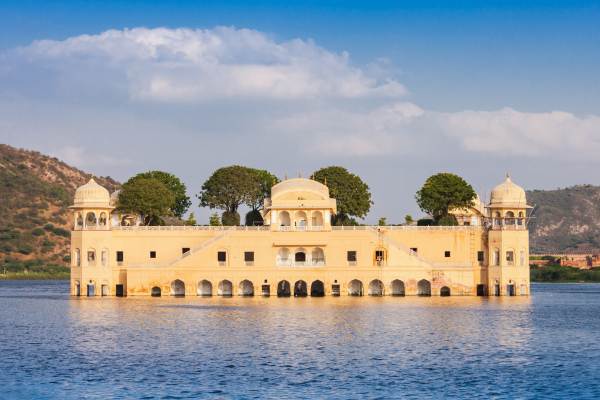
| Udaipur (Rajasthan) | Romantic marble palaces floating on Lake Pichola surrounded by the Aravali Hills | Couples, luxury travellers, slow-paced explorers | 2 to 3 Days |
| Jodhpur & Jaisalmer (Rajasthan) | Exploring the towering blue fortress of Mehrangarh and sleeping in desert tented camps | Adventure travellers, architecture lovers | 3 to 4 Days |
| Ranthambore National Park | Tracking wild Royal Bengal Tigers across ancient ruins in a royal hunting sanctuary | Wildlife enthusiasts, nature photographers | 2 Days |
| Kerala (South India) | Cruising tranquil backwaters in private thatched houseboats and visiting spice plantations | Relaxation, wellness, lush tropical scenery | 4 to 6 Days |
| Mumbai (Maharashtra) | Experiencing the vibrant financial hub, colonial Art Deco avenues, and Bollywood energy | Urban explorers, street foodies, film fans | 2 to 3 Days |
If you have approximately a week to spend, our vetted 6-day Golden Triangle tour itinerary seamlessly links Delhi, Agra, and Jaipur at a restorative, civilized pace with dedicated chauffeur service.
Essential Practical Tips for International Travellers
A journey to India should be unforgettable for the right reasons. Keep these tried-and-tested travel insights in mind:
1. Best Time to Visit
- Peak Season (October to March): Ideal for northern and western India. Expect pleasant, sunny days (20°C–28°C / 68°F–82°F) and cool evenings. Note that mid-December to mid-January can experience morning mist and fog in Delhi and Agra.
- Shoulder & Wildlife Season (April to May): Hotter temperatures, but exceptional for wildlife spotting in national parks like Ranthambore as tigers congregate near watering holes.
- Monsoon Season (July to September): Lush green scenery and lower crowd levels, particularly enchanting in the backwaters of Kerala and the palace lakes of Udaipur.
2. Food & Water Safety
- Never drink tap water; stick exclusively to sealed, reputable bottled mineral water or purified RO (reverse osmosis) water at established hotels.
- Avoid raw street salads, unpeeled fruit, and drinks with open ice cubes from roadside stalls.
- Sample local cuisine at clean, bustling heritage establishments where high turnover guarantees fresh preparation. If your palate is sensitive to heat, simply ask for “mild spice” or order a side of fresh curd (dahi) to temper rich curries.
3. Cultural Etiquette & Dress Codes
- Modesty is appreciated at all heritage and spiritual landmarks. Keep shoulders and knees covered; pack a lightweight linen or cotton scarf in your daypack to quickly cover your head at mosques, Sikh Gurdwaras, and Hindu temples.
- Slip-on footwear is a lifesaver. Most active shrines and marble plinths require shoes to be removed. Bringing a pair of dark cotton socks will keep your feet comfortable on sun-warmed stone floors.
4. Money and Connectivity
- Visa and Mastercard are widely accepted at hotels, reputable boutiques, and fine-dining restaurants. However, keep 2,000–3,000 Indian Rupees in small denominations (₹100, ₹200, ₹500) for tips, market shopping, and refreshments.
- Pick up an international eSIM before departure or obtain an Indian physical SIM card at Delhi Indira Gandhi International Airport upon arrival for seamless high-speed data.
Frequently Asked Questions
What is the Golden Triangle in India?
The Golden Triangle is India’s most famous tourist circuit, connecting Delhi, Agra, and Jaipur. When plotted on a map, the three cities form an equilateral triangle across northern India, offering first-time visitors a rich, diverse cross-section of Mughal history, British colonial heritage, and royal Rajasthani architecture.
Is India safe for first-time international tourists?
Yes. India is generally a warm, welcoming, and hospitable country for international travellers. Booking a reputable private tour with a professional chauffeur and licensed local guides eliminates transit confusion, shields you from persistent street vendors, and ensures secure, door-to-door transport throughout your journey.
How many days are ideal for a first trip to India?
For a classic Golden Triangle trip (Delhi, Agra, Jaipur), 5 to 7 days is the ideal duration to explore without feeling rushed. If you want to include an extension—such as wildlife viewing in Ranthambore, the sacred ghats of Varanasi, or the romantic lakes of Udaipur—budget 10 to 14 days.
What should I pack for a private tour of India?
Pack breathable, loose-fitting cotton or linen clothing, comfortable slip-on walking shoes, UV sunglasses, sunscreen, hand sanitizer, electrolyte powder, a universal power adapter (India uses Type C, D, and M round-pin plugs), and a light jacket or shawl for cool winter mornings.
Turn Your India Dream into Reality
India is far more than places marked on a map—it is the warmth of a namaste, the grandeur of ancient stone, and memories that stay with you for a lifetime.
By choosing a private, customized tour with experienced local chauffeurs and passionate heritage guides, you trade travel logistics for peace of mind, unlocking the subcontinent’s iconic sights and hidden gems in complete comfort.
Ready to start planning your bespoke journey? Let us craft your personalized Indian itinerary today and experience the subcontinent’s most extraordinary destinations in true style.