A Golden Triangle tour with Ranthambore is widely regarded as one of the most rewarding holiday routes in Northern India because it introduces balance to an otherwise intense travel schedule. Instead of moving endlessly from one busy city to another, this journey pairs three of India’s most famous historical destinations with several days in the quiet, scenic wilderness of Rajasthan.
In a single multi-day journey, you can walk through medieval alleyways in Old Delhi, admire the symmetrical white marble architecture of the Taj Mahal in Agra, explore hilltop Rajput fortresses in Jaipur, and set out on early-morning game drives across Ranthambore National Park in search of wild Bengal tigers, leopards, and varied birdlife.
The contrast between imperial architecture and rugged dry deciduous forest is what makes this itinerary exceptional. However, combining heritage sightseeing with a wildlife safari requires far more careful planning than a traditional city-only tour. Monuments have fixed, predictable visiting hours, whereas wildlife safaris depend on strict government permit quotas, seasonal weather conditions, forest rules, and highway travel times.
This comprehensive guide covers everything international travellers need to know to plan a realistic, comfortable, and memorable trip.
What Is a Golden Triangle Tour with Ranthambore?
India’s traditional Golden Triangle is a well-known travel circuit linking three major heritage destinations in Northern India: Delhi, Agra, and Jaipur. Connected by modern expressways and railway corridors, these three points form an approximate triangle across the map, offering first-time visitors an accessible introduction to Indian history, royal architecture, and local culture.
A Golden Triangle tour with Ranthambore expands this classic circuit by adding a dedicated wildlife pause. Situated in the Sawai Madhopur district of southeastern Rajasthan, Ranthambore National Park is not part of the traditional three-city triangle. It is an independent nature reserve located roughly midway between Agra and Jaipur.
Adding Ranthambore into your travel route breaks the fast pace of urban sightseeing. Instead of spending every night in metropolitan centres, you spend two or three nights at a tranquil wilderness lodge surrounded by nature. This transforms a standard cultural holiday into a complete India heritage and wildlife tour that appeals equally to history buffs, couples, families, and outdoor enthusiasts.
Why Combine India’s Heritage Cities with a Tiger Safari?
Northern India’s historic cities are rich in culture, colour, and energy. However, visiting multiple crowded palaces, bustling bazaars, and historic monuments consecutively can lead to travel fatigue. Introducing a wildlife safari midway through the trip creates a natural, refreshing change of rhythm.
Each destination on this combined route brings something distinctly different to your holiday:
- Delhi: Offers thousands of years of layered history, from ancient Sultanate towers and sprawling 17th-century Mughal mosques to the broad governmental avenues of New Delhi.
- Agra: Showcases the height of Mughal artistic achievement, highlighted by symmetrical riverside gardens, red sandstone fortresses, and the Taj Mahal.
- Jaipur: Immerses you in living Rajput royal traditions, pink-terracotta facades, vibrant craft markets, and fortified mountain garrisons.
- Ranthambore: Replaces city noise with the sounds of the jungle—chital alarm calls echoing across wooded valleys, peacocks calling from historic ruins, and guided safari tracks winding around forest lakes.
It is important for international visitors to understand that a tiger safari in Ranthambore is an authentic wilderness experience, not a zoo visit. The park covers over 1,300 square kilometres of rugged natural terrain.
While Ranthambore has one of India’s healthiest wild tiger populations, animal movements are governed by nature, temperature, and territorial instincts. Sightings can never be guaranteed on any individual safari. Tracking a wild predator through fresh pugmarks, territorial calls, and natural signs is an exciting adventure in itself, whether an elusive cat crosses your path or stays concealed in the forest.
Best Places to Visit on a Golden Triangle Tour with Ranthambore
Delhi — India’s Capital and Historic Landmarks
Delhi is the primary international arrival hub and the starting point for most Northern India travel routes. The city is broadly divided into Old Delhi and New Delhi, each reflecting distinct historic eras.
Key attractions to prioritize include:
- Humayun’s Tomb: A UNESCO World Heritage Site set in symmetrical Persian-style gardens, widely celebrated as the architectural inspiration for the Taj Mahal.
- Qutub Minar: A soaring 73-metre red sandstone minaret dating from the late 12th century, surrounded by ancient iron pillars and intricate stone arches.
- India Gate: A grand ceremonial war memorial arch set along the tree-lined avenues of New Delhi’s Central Vista.
- Jama Masjid and Chandni Chowk: One of the largest historic mosques in India, overlooking the energetic, aromatic street markets of Old Delhi.
Sightseeing Tip: After arriving on a long-haul flight, give yourself at least one full day in Delhi to rest and adjust to the local time zone before setting off on long highway drives. Group your visits geographically to avoid crossing city traffic multiple times during the day.
Agra — The Taj Mahal and Mughal Heritage
Located roughly 230 kilometres south of Delhi, Agra was the imperial capital of the Mughal Empire during the 16th and 17th centuries. The city is home to some of the finest examples of Indo-Islamic architecture in the world.
Key attractions include:
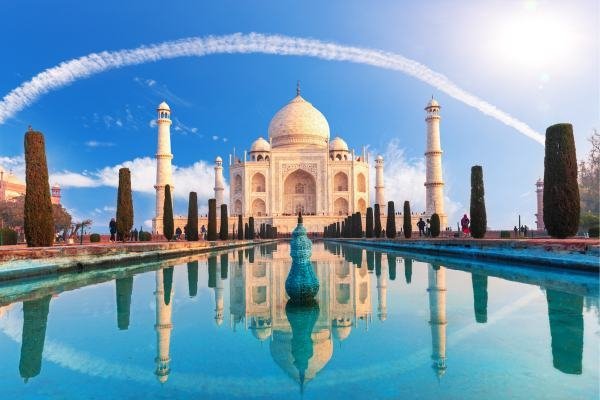
- The Taj Mahal: Commissioned by Mughal Emperor Shah Jahan in memory of his beloved wife Mumtaz Mahal, this white marble masterpiece is celebrated worldwide for its balance, decorative stone inlays, and reflective riverfront setting.
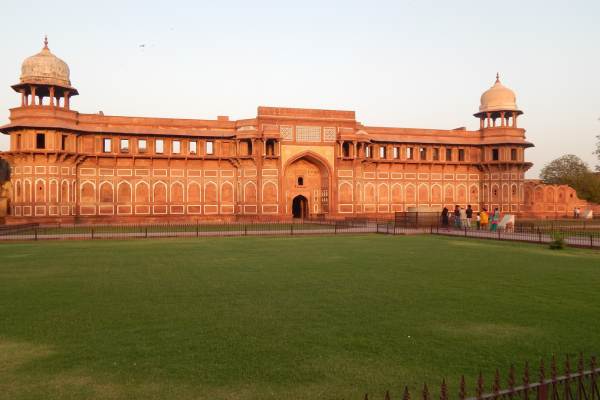
- Agra Fort: A massive red sandstone fortress that served as the primary seat of Mughal imperial power before the royal court moved to Delhi.
- Itmad-ud-Daulah: Often referred to as the “Baby Taj,” this ornate tomb features delicate pierced-stone lattice screens and fine marble inlay work.
Sightseeing Tip: Visit the Taj Mahal at sunrise. The morning light reveals soft pastel tones on the white marble, morning temperatures are much cooler, and you will encounter fewer tour groups. To make the most of your time with certified historical guides and pre-arranged transportation, travellers often review dedicated guided Taj Mahal tour packages.
Jaipur — Forts, Palaces, and Rajasthani Culture
Jaipur, known worldwide as the “Pink City,” was founded in 1727 by Maharaja Sawai Jai Singh II. Its distinctive terracotta-pink buildings, wide historic streets, and vibrant craft traditions have earned its walled city UNESCO World Heritage status.
Key attractions include:
- Amber Fort: A dramatic hilltop fortress overlooking Maota Lake, famous for its grand courtyards, mirror-lined Sheesh Mahal, and sweeping mountain ramparts.
- City Palace: A continuing royal residence containing historic courtyards, ornamental gates, and museum collections of historic royal weapons and ceremonial textiles.
- Hawa Mahal (Palace of Winds): An iconic five-storey pink sandstone facade featuring 953 small latticed windows designed to allow royal women to watch street life without being seen.
- Jantar Mantar: An 18th-century stone astronomical observatory housing the world’s largest stone sundial.
Sightseeing Tip: Allocate at least two full days to Jaipur. Amber Fort involves uphill walking over historic cobblestones, so visit in the morning when temperatures are mild. Keep afternoons free for exploring the City Palace and wandering through the local textile and jewellery markets. For organized private transport and licensed guides, you can explore regional heritage Jaipur tour packages.
Ranthambore — Wildlife and Safari Experiences
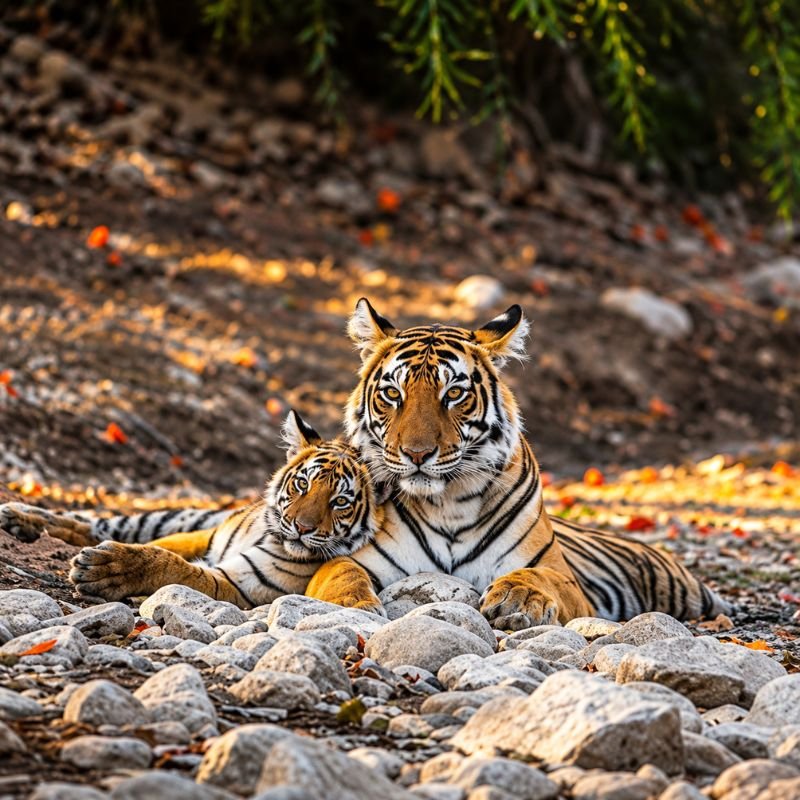
Ranthambore National Park in Sawai Madhopur is one of India’s most famous wildlife reserves. What sets it apart globally is its extraordinary mix of natural wilderness and ancient history. The park features steep rocky ridges, deciduous dhok forests, scenic lakes, and the looming ruins of the 10th-century Ranthambore Fort perched high on a central plateau.
Wildlife commonly seen in the park includes:
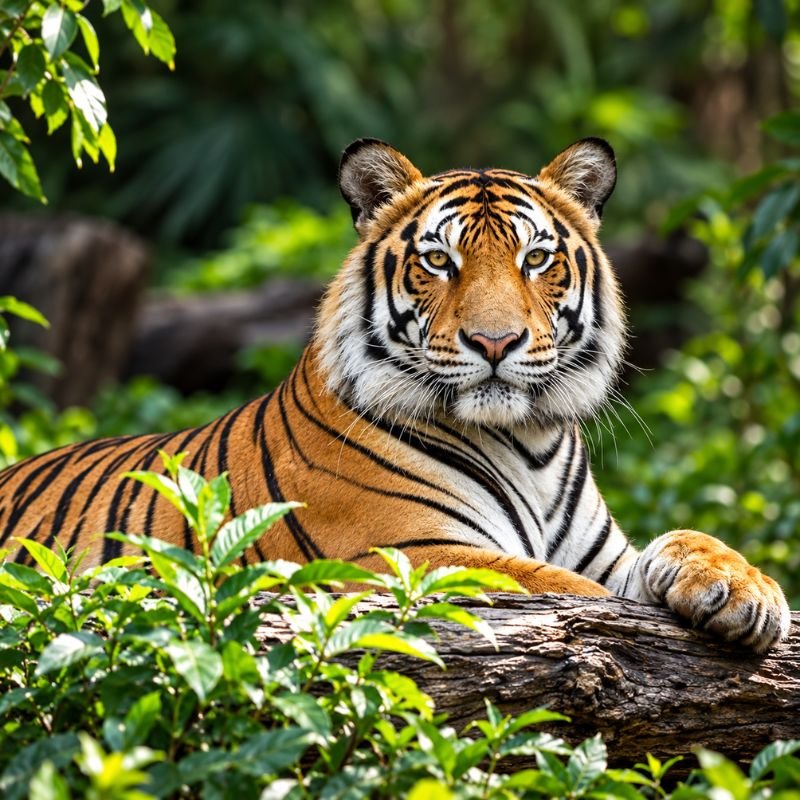
- Royal Bengal Tigers: The park’s top predator, active across both core and buffer forest zones.
- Other Predators: Indian leopards, sloth bears, striped hyenas, and jackals.
- Herbivores: Sambar deer, spotted chital, nilgai (blue bull antelope), and wild boar.
- Aquatic Life: Marsh crocodiles (muggers) and softshell turtles along the shores of Padam Talao and Rajbagh Lake.
- Birdlife: Over 300 resident and migratory bird species, including crested serpent eagles, painted storks, kingfishers, and Indian pitta.
Safaris are managed directly by the Rajasthan Forest Department. All safaris are conducted in authorized open vehicles accompanied by a licensed government nature guide and an experienced driver. Vehicles must stay strictly on assigned trail tracks and adhere to all park timing and safety rules.
How Many Days Do You Need?
The duration of your trip determines how comfortable and enjoyable your experience will be. Rushing through four distinct destinations in too few days leads to exhausting highway journeys with very little time to enjoy each location.
Here is a realistic comparison of three practical travel durations:
1. Compact Option: 6–7 Days
- Pace: Fast-paced with little free time.
- Safari Allocation: 1 to 2 game drives.
- Best For: Travellers with strict annual leave limits who want a quick introduction to Northern India.
- Trade-offs: Long travel legs on back-to-back days; minimal recovery time if a safari produces no wildlife sightings. A practical benchmark for this schedule is the curated 7-day Golden Triangle and Ranthambore tour itinerary.
2. Balanced Option: 8–9 Days (Recommended)
- Pace: Well-balanced and comfortable.
- Safari Allocation: 2 to 4 game drives.
- Best For: Most international visitors seeking a complete, enjoyable holiday.
- Key Advantages: Allows two nights in Delhi, one or two nights in Agra, two full nights in Ranthambore (enabling morning and afternoon safaris), and two nights in Jaipur before returning to Delhi.
3. Relaxed Option: 10–12 Days
- Pace: Leisurely and flexible.
- Safari Allocation: 4 to 6 game drives.
- Best For: Dedicated wildlife photographers, birdwatchers, seniors, and families.
- Key Advantages: Allows multiple safaris across different park zones, time for village walks and cooking classes, and comfortable downtime at heritage hotels.
Suggested Route for the Trip
The most logical, geographically sound route follows an orderly circular loop starting and ending in Delhi:
Delhi → Agra → Ranthambore (Sawai Madhopur) → Jaipur → Delhi
Route Distances and Driving Times
- Delhi to Agra: Approximately 230 km (143 miles). The drive takes roughly 3.5 to 4.5 hours via the modern Yamuna Expressway.
- Agra to Ranthambore: Approximately 260 to 290 km (161 to 180 miles). Driving takes around 5.5 to 6.5 hours depending on road conditions. A convenient stop en route is Fatehpur Sikri, the historic 16th-century Mughal capital built by Emperor Akbar, which naturally breaks up this longer travel day.
- Ranthambore to Jaipur: Approximately 160 to 180 km (99 to 112 miles). The journey takes about 3.5 to 4.5 hours via state and national highways.
- Jaipur to Delhi: Approximately 270 to 300 km (168 to 186 miles). Driving takes between 4.5 and 5.5 hours via the Delhi–Mumbai Expressway link and National Highway 48.
You can also run this itinerary in reverse (Delhi → Jaipur → Ranthambore → Agra → Delhi). Reversing the loop is helpful if safari permits for your preferred zones are available on specific dates later in your travel window.
How to Plan Your Ranthambore Tiger Safari
Because Ranthambore is a strictly protected reserve, safaris are organized under official government rules to protect the habitat and its wildlife.
Vehicle Options: Jeeps vs Canters
Safaris are operated using two types of open vehicles:
- 6-Seater Open 4WD Jeeps (Gypsy): These smaller vehicles are agile, quiet, and manoeuvrable. They offer great flexibility for wildlife viewing and photography along narrow forest trails. Because seating is limited, jeep permits sell out months in advance.
- 20-Seater Open Safari Buses (Canter): Canters sit higher off the ground, offering excellent visibility over roadside shrubs and tall grass. They are a reliable, cost-effective alternative when jeep quotas are exhausted.
Understanding Park Zones
Ranthambore is divided into 10 official safari zones:
- Zones 1 to 5 (Core Area): These zones cover the historical heart of the reserve, including the scenic lakes (Padam Talao, Rajbagh) and views of Ranthambore Fort. They are traditionally the most requested sectors by tourists.
- Zones 6 to 10 (Buffer Area): These sectors feature open valleys, rocky hills, and waterholes. They have healthy resident tiger populations and rich birdlife, offering excellent wildlife tracking without high vehicle congestion.
Zones are assigned automatically by the Forest Department booking system to ensure that vehicle traffic is spread evenly across the reserve.
Safari Rules and Etiquette
- Passport Verification: Every international visitor must present the original passport used during the booking process at the park gate. Discrepancies can lead to admission refusal.
- Fixed Timings: Safaris run in two shifts daily: early morning (around sunrise) and mid-afternoon (around 2:00 to 3:00 PM, depending on season). Vehicles must enter and exit the park gates strictly on time.
- Forest Conduct: Maintain quiet throughout the drive. Mobile phones must be kept on silent mode. Never step out of your vehicle inside the forest, and never attempt to feed, shout at, or attract wildlife.
Best Time for a Golden Triangle Tour with Ranthambore
Choosing the right time to visit involves balancing comfortable temperatures for city sightseeing with park operational calendars.
October to March (Peak Season — Best Overall)
- Weather: Pleasant daytime temperatures (20∘C to 28∘C) and cool, crisp mornings (8∘C to 14∘C).
- Sightseeing: Perfect for walking through open-air monuments like Amber Fort and Fatehpur Sikri without getting overheated.
- Safari Conditions: The park is green after the monsoon, and lakes are full. Morning safaris are chilly, so you will need a warm fleece jacket, scarf, and windbreaker in an open vehicle.
April to June (Summer — Best for Wildlife Visibility)
- Weather: Hot and dry, with afternoon temperatures often rising above 40∘C (104∘F).
- Sightseeing: Urban sightseeing must be restricted to the early morning and late afternoon to avoid heat exhaustion.
- Safari Conditions: Deciduous trees shed their leaves, improving visibility through the forest. Animals frequently visit waterholes, making this a favoured period for dedicated wildlife photographers despite the high heat.
July to September (Monsoon Season — Core Park Closures)
- Important Notice: The core safari zones of Ranthambore (Zones 1 through 5) are closed to tourists annually from July 1 through September 30 for wildlife breeding and forest recovery.
- Buffer Zones: Zones 6 to 10 may remain open depending on local weather and forest department announcements.
- Advice: If a classic wildlife safari is an essential goal of your holiday, plan your trip between October and June.
Travel Distances and Transportation Tips
Navigating four destinations across three states requires dependable transport arrangements.
Private Car with Chauffeur (Most Recommended)
Hiring a private air-conditioned vehicle with an experienced professional driver is the most convenient way to complete this tour.
- Door-to-Door Service: Your chauffeur picks you up from your hotel lobby, handles luggage, manages highway tolls, and drops you right at monument gates.
- Flexibility: You can stop whenever needed for clean restroom breaks, refreshments, photo stops, or side excursions like the Chand Baori stepwell in Abhaneri.
- Security: Your luggage remains locked and guarded in the vehicle while you visit monuments during transfer days.
Train Travel
Express trains connect key hubs on this route:
- The Gatimaan Express or Vande Bharat Express connects Delhi to Agra in about 100 minutes.
- Sawai Madhopur Junction (the gateway to Ranthambore) is situated on a major main line, connecting directly to Delhi, Bharatpur (near Agra), and Jaipur.
- Many travellers prefer a hybrid arrangement: taking an express train to Agra, followed by private car transfers for the rest of the circuit.
What to Pack for the Trip
Packing for both historic cities and dusty safari tracks requires practical, versatile items.
Clothing
- Neutral Safari Colours: Pack khaki, tan, olive, brown, and muted green clothing. Bright colours (especially neon shades, pure white, and bright red) stand out and can disturb wildlife.
- Warm Layers for Winter Drives: If visiting between November and February, pack a warm fleece, windbreaker, gloves, and a beanie for early morning open-top safaris.
- Modest Monument Attire: Respectful dress covering shoulders and knees is required at religious sites such as Delhi’s Jama Masjid. A lightweight cotton scarf is always useful.
- Sturdy Footwear: Comfortable walking shoes or sneakers with good grip are essential for uneven cobblestones and stone steps at forts.
Gear and Essentials
- Dust Protection: A bandanna or face buff protects your nose and throat on dusty dirt roads. A protective camera bag keeps fine dust away from your lens mechanisms.
- Sun Protection: High-SPF sunscreen, polarized sunglasses, a wide-brimmed sun hat, and a reusable insulated water bottle.
- Binoculars: A pair of 8×42 or 10×42 binoculars greatly enhances your ability to spot birds, perched raptors, and animals resting on distant cliffs.
- Documents: Keep your original passport and printed safari permits in an easily accessible, secure travel pouch.
Is This Tour Suitable for Families and First-Time Visitors?
A Golden Triangle tour with Ranthambore is well-suited for first-time visitors because it pairs established tourism infrastructure, world-class hotels, and famous monuments with the natural beauty of the Indian countryside.
For First-Time Visitors
This circuit provides a gentle, well-supported introduction to India. You will stay in high-standard hotels, travel along major national highways, and experience both urban culture and nature.
For Families with Children
Children aged six and above usually love open-jeep safaris and imposing desert fortresses. However, a safari drive lasts around 3.5 hours with no public restrooms inside the reserve. For families with young children, booking an exclusive 6-seater jeep offers far greater comfort and flexibility than a shared canter.
For Seniors and Mature Travellers
The journey is accessible and comfortable when arranged with a private car and chauffeur. Keep in mind that open-jeep safaris travel over uneven, bumpy dirt tracks. Choosing quality heritage lodges with ground-floor rooms and scheduling rest periods between sightseeing days ensures an enjoyable pace.
Practical Tips Before Booking
Review this practical checklist before confirming your flights, hotel rooms, or tour arrangements:
- Book Safari Permits First: Ranthambore permits for peak winter dates sell out months in advance. Secure your safari permits before confirming non-refundable hotel reservations.
- Check Passport Accuracy: The name and passport number on your safari permit must match your physical passport exactly. Any errors can result in denied gate entry.
- Check Monument Schedules: The Taj Mahal is closed every Friday for general visitors. Ensure your itinerary does not place your Agra sightseeing on a Friday.
- Leave Adequate Travel Buffers: Never schedule an afternoon jungle safari on the same day as a long 6-hour highway transfer. Unplanned traffic delays could cause you to miss your safari departure.
- Pick Well-Located Hotels: Choose hotels near major heritage sights in cities to avoid traffic, and select a lodge along Ranthambore Road close to the park entrance gates.
Frequently Asked Questions
1. What is a Golden Triangle Tour with Ranthambore?
A Golden Triangle Tour with Ranthambore combines India’s classic cultural route—Delhi, Agra, and Jaipur—with a wildlife safari in Ranthambore National Park. It allows travellers to explore Mughal monuments, Rajput fortresses, and vibrant bazaars while also embarking on guided open-vehicle game drives to search for wild Bengal tigers and other native wildlife.
2. How many days are needed for a Golden Triangle Tour with Ranthambore?
A balanced trip takes 8 to 9 days. This duration allows two nights in Delhi, one or two nights in Agra, two nights in Ranthambore (allowing two to three safaris), and two nights in Jaipur. A 6 to 7-day version is possible for travellers with limited time, while 10 to 12 days provides an unhurried, comfortable pace.
3. Can I see tigers in Ranthambore National Park?
Ranthambore has a healthy wild Bengal tiger population, and sightings are recorded regularly across both core and buffer zones. However, sightings depend on weather, territory movements, and natural conditions. Tiger sightings are never guaranteed on any single safari, though booking multiple drives across your stay increases your viewing chances.
4. What is the best time to visit Ranthambore?
The best time to visit is from October through March, when daytime temperatures are pleasant for city monuments and morning safaris are refreshingly cool. For wildlife photographers, April to June offers higher animal visibility around waterholes despite intense daytime heat. Note that core zones (1 to 5) close annually during the monsoon from July 1 to September 30.
5. How do I book a Ranthambore tiger safari?
Safaris are booked through the Rajasthan Forest Department’s official online portal or arranged via licensed tour operators. Bookings require guest passport details and choice of vehicle (6-seater jeep or 20-seater canter). Because vehicle quotas are strictly limited, international visitors should reserve their permits 90 to 120 days in advance for peak winter dates.
6. Is Ranthambore part of the traditional Golden Triangle?
No, Ranthambore is not part of the traditional three-city Golden Triangle, which consists solely of Delhi, Agra, and Jaipur. Ranthambore is an independent wildlife reserve in southeastern Rajasthan that travellers incorporate into the circuit to add a nature and wildlife component between Agra and Jaipur.
7. Can I travel from Agra to Ranthambore by road?
Yes, travelling from Agra to Ranthambore by road takes approximately 5.5 to 6.5 hours over a driving distance of roughly 260 to 290 kilometres, depending on route conditions. Many travellers stop en route at Fatehpur Sikri, Emperor Akbar’s 16th-century capital, which serves as a natural sightseeing break midway through the transfer.
8. Is a private car useful for this trip?
A private air-conditioned car with a professional chauffeur is the most practical way to complete this tour. It eliminates the hassle of negotiating local taxis, provides door-to-door transfers between hotels and monument entrances, accommodates spontaneous refreshment stops, and keeps your luggage safe during sightseeing transfers between cities.
9. Is this trip suitable for first-time visitors to India?
Yes, this combined tour is ideal for first-time visitors. It pairs established tourism infrastructure, world-renowned UNESCO World Heritage sites, and comfortable hotels with an authentic taste of Indian wildlife. Pacing the journey with two nights per destination prevents travel fatigue and ensures a memorable holiday.
10. Should I book the safari before finalising my itinerary?
Yes, you should always verify and secure your Ranthambore safari permits before locking in non-changeable hotel bookings or inter-city transit. Because the Forest Department strictly caps daily vehicle entries, safari permits for popular dates and core zones often sell out well before hotel rooms do.
Planning Your Journey
Combining Delhi, Agra, and Jaipur with the forests of Ranthambore National Park creates one of the most memorable travel circuits in Asia. From the peaceful symmetry of the Taj Mahal at dawn to the excitement of listening for jungle alarm calls along an open forest trail, every leg of the journey reveals a different side of India.
To compare different route formats, explore our wider collection of classic Golden Triangle tour packages to see how standard and extended circuits compare. If you are ready to design a custom itinerary tailored around your preferred dates, group size, or safari needs, connect with us through our tailor-made itinerary planning service to create a smooth, well-paced travel plan.